
Latvian Peat Industry Sustainability Memorandum Signed
28 / 09 / 2026
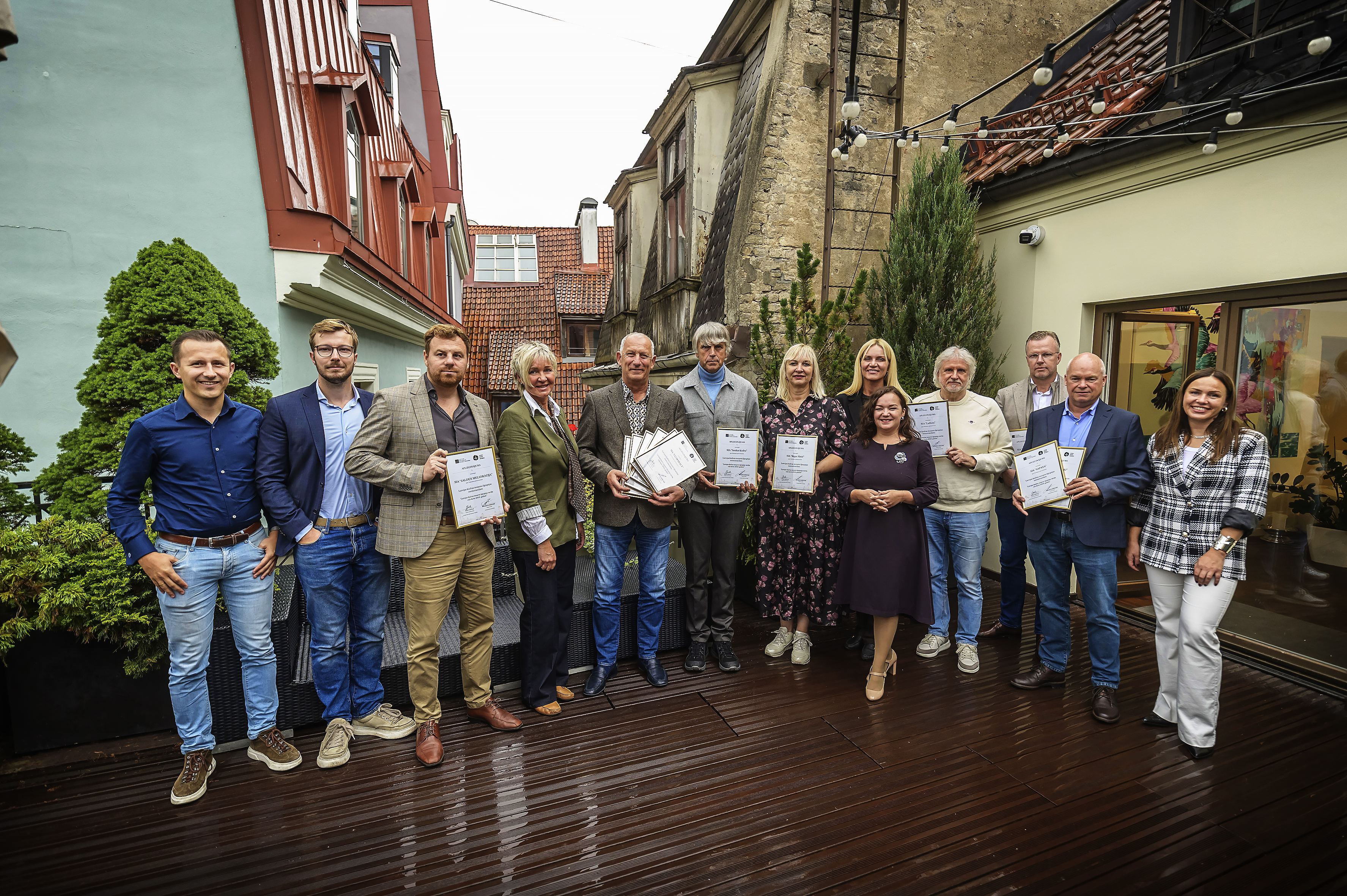
Following nearly two years of work, discussions, and the search for joint solutions, the Latvian Peat Industry Sustainability Memorandum was signed on September 21.
The Memorandum outlines the industry's joint commitment to move toward more sustainable management, with each company developing a climate plan, improving greenhouse gas (GHG) emission accounting, strengthening cooperation with science, and gradually introducing a unified approach to environmental, social, and governance (ESG) issues.
The Memorandum is based on conditions jointly developed by the Latvian National Peatland Society and the Latvian Peat Association, which were agreed upon by industry representatives throughout the discussion process. The document was created to unite peat industry companies and organizations around a shared vision for the sector's future development at a time when the implementation of the European Green Deal and related regulations present new challenges.
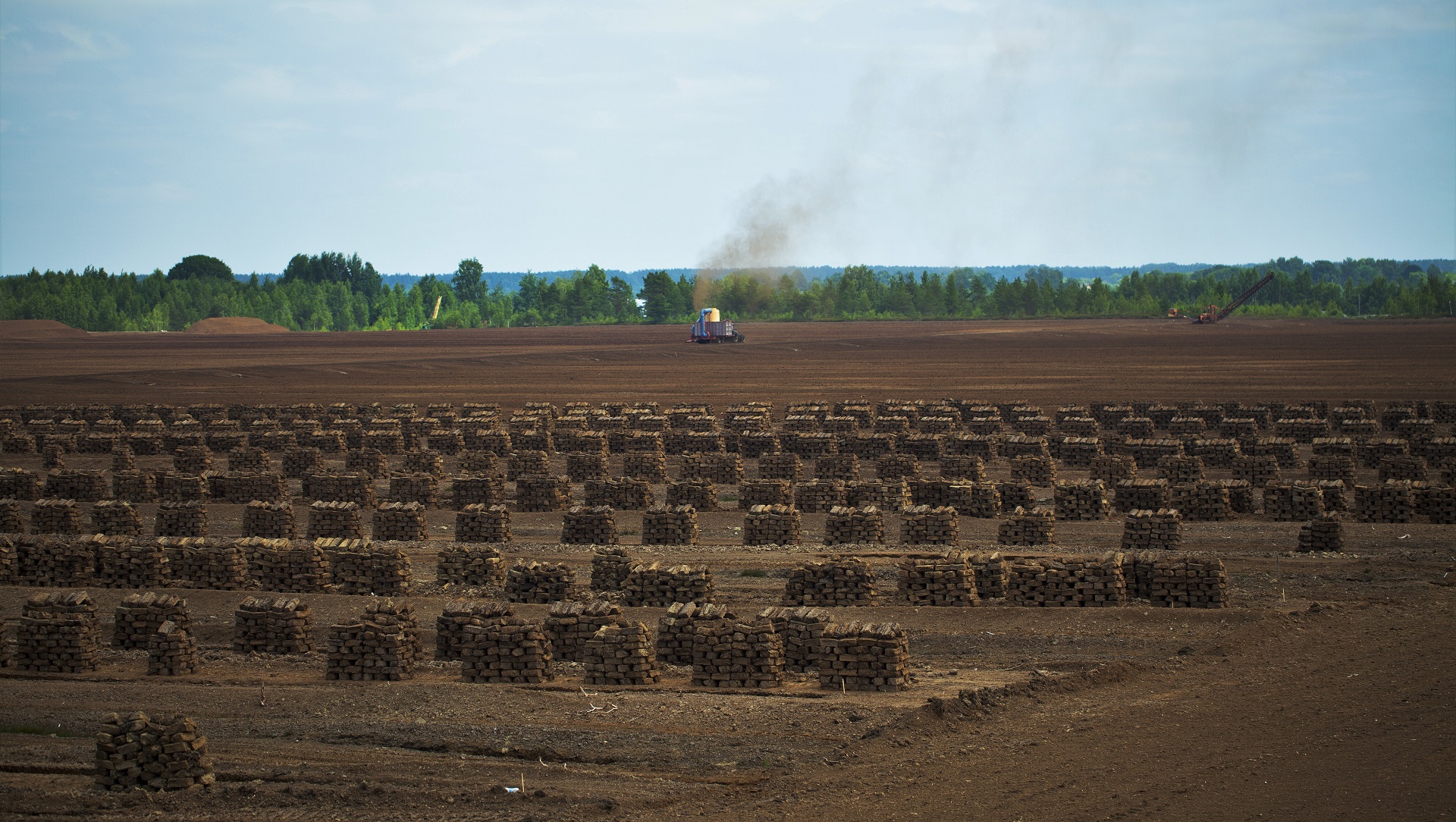
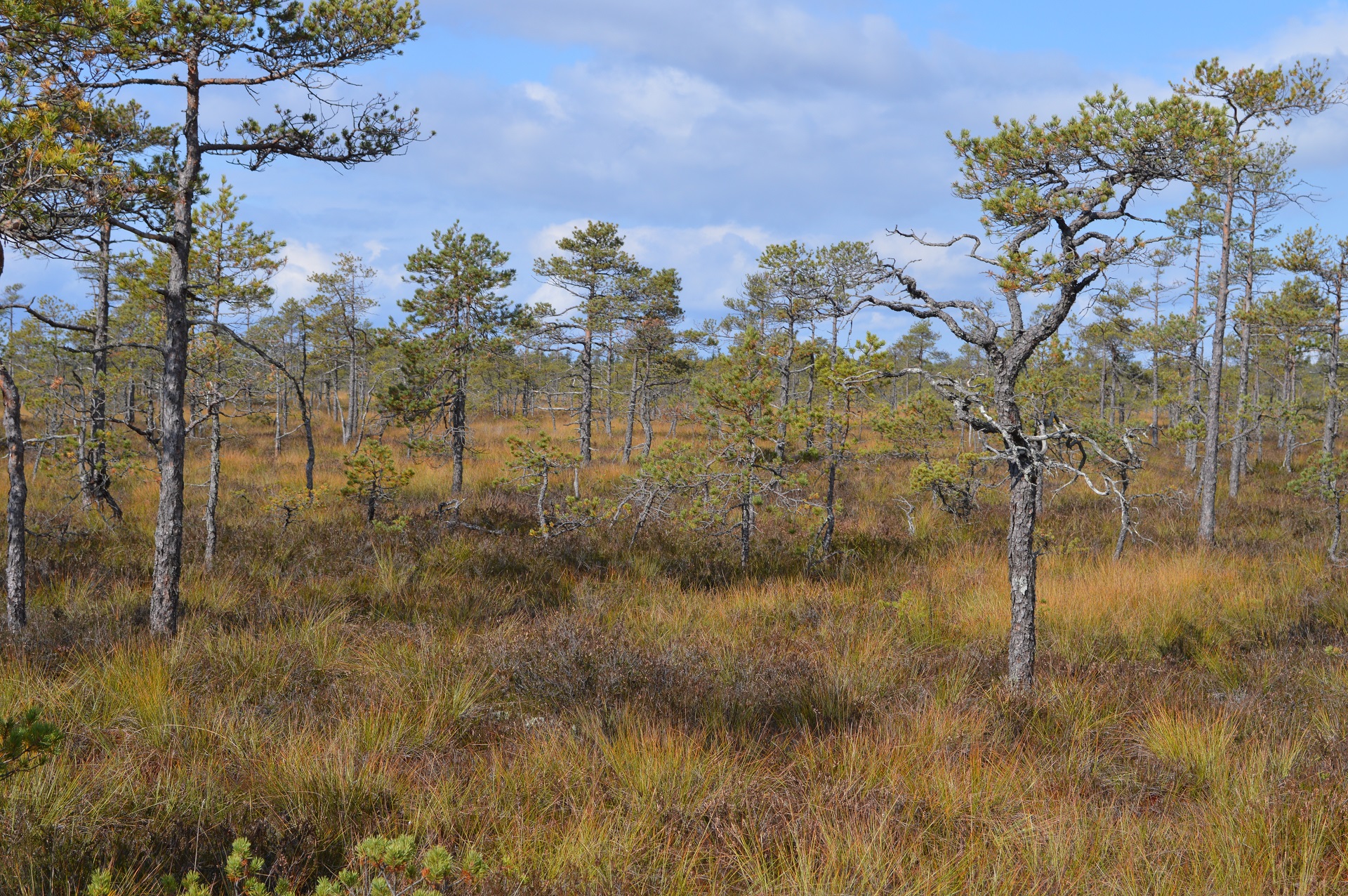
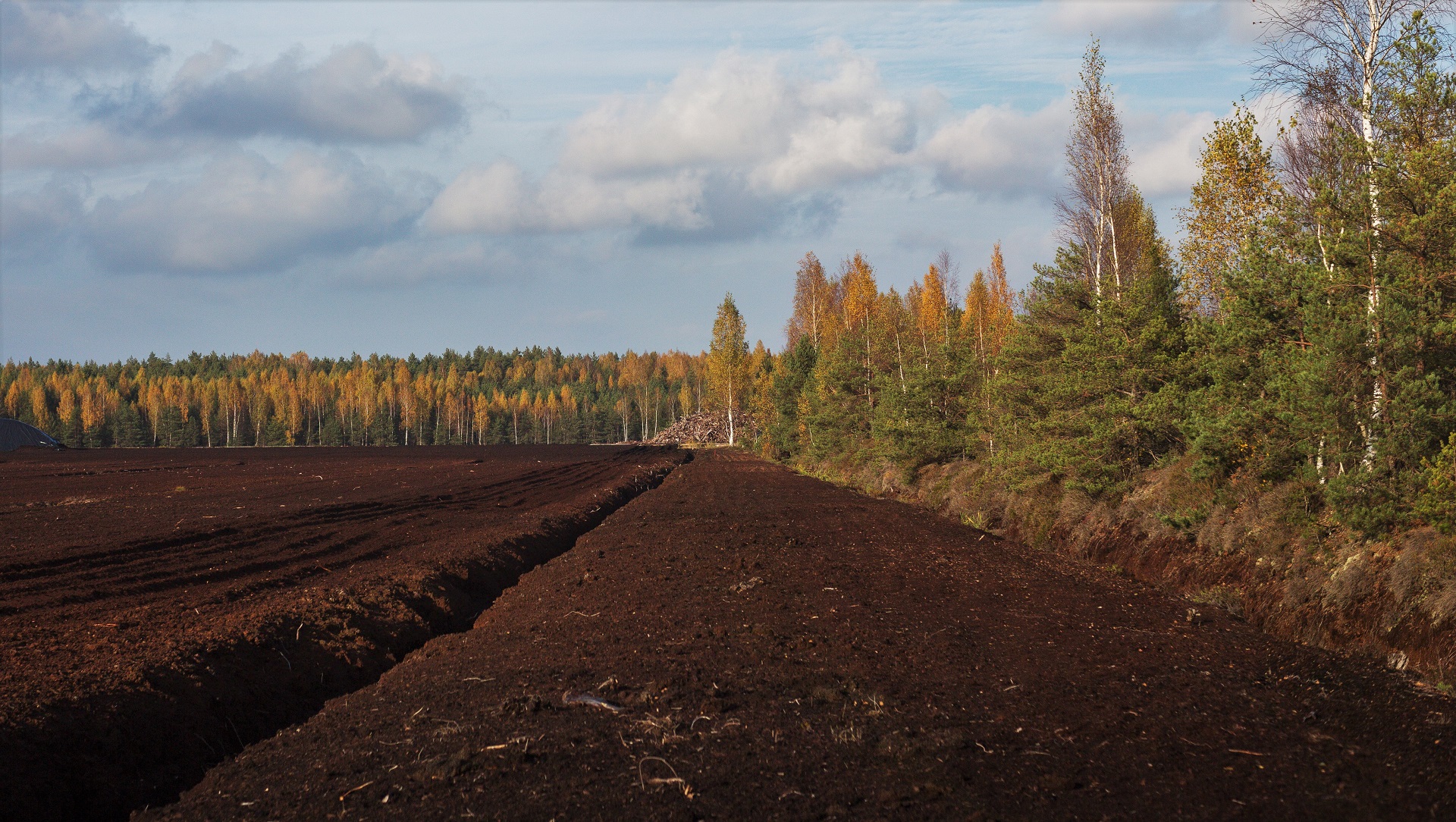
The peat extraction and growing media production industry plays a crucial role in Latvia's national economy and regional development. It provides jobs in Latvia's regions, creates export-capable products, and makes a significant contribution to the Latvian economy. Over the past decade, the export value of Latvian peat and growing media has increased nearly threefold, rising from 130 million euros in 2015 to 342 million euros in 2024. Latvian peat products hold a significant position in the international market, and peat extraction in Latvia takes place on a relatively small portion of the total peat deposit area - approximately 4%, or 26,000 hectares.
"The peat industry is currently facing significant changes, so it is important for us not only to react to new requirements, but to define for ourselves what kind of industry we want to see in the future. This memorandum is the result of an internal dialogue within the industry - about what we can do better, where we need science-based solutions, and how to simultaneously maintain the competitiveness and economic significance of Latvia's peat industry. Importantly, today the memorandum is agreed upon not only by industry organizations, but also by the companies that shape this industry on a daily basis," says Ingrīda Krīgere, member of the Board of the Latvian Peat Association.
One of the most essential tasks is to improve data availability and quality. More accurate data will not only allow companies to assess their progress, but will also provide a more comprehensive picture of the actual impact of Latvia's peat industry and its changes over time. This is particularly significant in the field of GHG emissions, where quality accounting is a prerequisite for science-based decision-making.
"This was not a document we could agree on immediately. However, we chose to walk this difficult path, discuss among ourselves, and look for solutions. The Peat Industry Memorandum will not be just a formal document. We want to regularly collect data and monitor progress so that our collective commitment to these goals is upheld," says Ilze Ozola, member of the Board of the Latvian National Peatland Society.
The signing of the Memorandum is not the end of the process - it is an agreement on ongoing, measurable, and responsible work. It also provides for further cooperation between industry organizations, companies, state and municipal institutions, scientists, and other stakeholders. Its goal is to build a common understanding of the industry's development opportunities and promote responsible action, while seeking a balance between climate neutrality and nature conservation goals, economic growth, and social well-being.
The Memorandum was signed by the Latvian Peat Association, the Latvian National Peatland Society, and peat industry companies: "BalviFlora", "Laflora", "Rīgas meži", "Klasmann-Deilmann Latvia", "Pindstrup Latvia", "Saldus meliorācija", "Unguri", "Galenieki", "Sapata", "Saukas kūdra", "Silu kūdra", "Florabalt", "Olaines kūdra", "Gargrode", AS "Strūžānu kūdras fabrika", "Kūdras enerģija", "LV-SBS", and "GPK".
Latvian Peat Industry Sustainability Roadmap to 2050 – the memorandum's creation methodology was developed by the association "Corporate Social Responsibility Platform of Latvia" (CSR Latvia) with the aim of creating a unified and evidence-based understanding of sustainability aspects in the peat industry and its impact on the environment, society, and the economy. The methodology was based on the Corporate Sustainability Reporting Directive (CSRD) and its binding European Sustainability Reporting Standards (ESRS) principles. The industry agreed on 14 (fourteen) material aspects promoting sustainability and industry resilience: climate change adaptation, climate change mitigation, energy, air pollution, water pollution, microplastics, ecosystems, circular economy, bioeconomy, competitive remuneration, occupational health and safety, regional socio-economic impact (employment), food safety and quality in the global supply chain, and corporate governance. In total, 30 goals were set, along with more than 65 indicators that will henceforth be measured to evaluate the industry's progress toward sustainability.
As noted by Agnese Alksne-Bensone, Chair of the Board of CSR Latvia and author of the industry sustainability roadmap methodology: "I wish that the signed memorandum becomes not a formal agreement, but the foundation for concrete action, measurable results, and long-term cooperation. May science go hand in hand with production, and may decisions on the use of peat resources and bog restoration be based on data, research, and proven solutions in practice. And, most importantly, may we have the courage to jointly shape an industry future where entrepreneurs, scientists, public administration, and society cooperate to develop Latvia's bioeconomy, create higher added value, and responsibly manage natural resources for future generations."